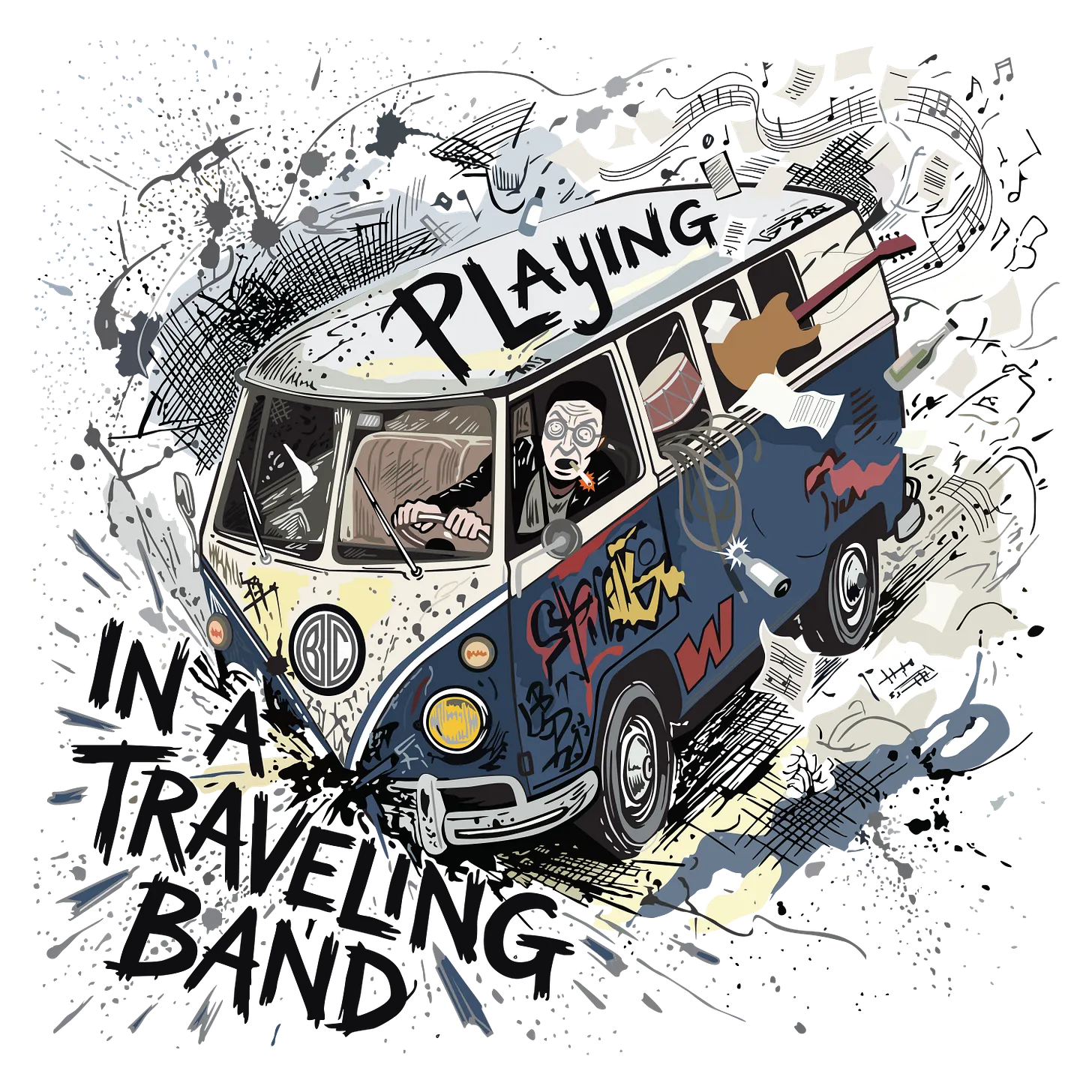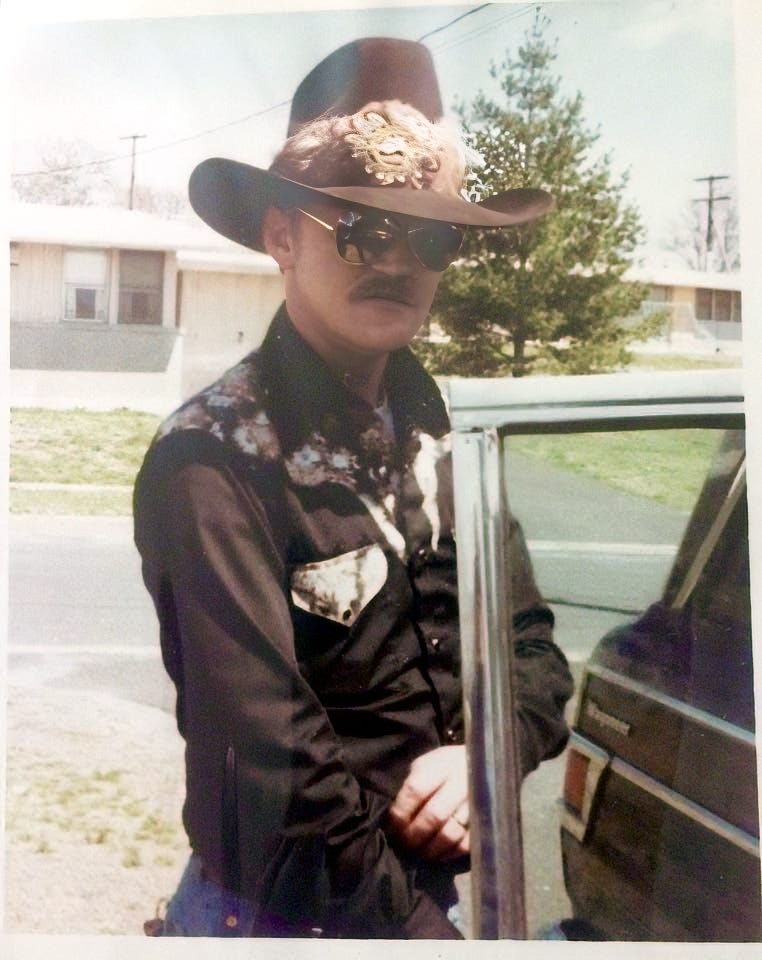
My Dad loved his GMC S-15 pickup. We dubbed it the little truck that could – it could go anywhere it seemed, typically with a load of kids in the bed in violation of several state and federal laws these days. I would go on to flip that truck some years later trying to impress my baby sister — but to the world at large because I was trying to avoid hitting a dog – and that’s a story for another time.
After he retired from the Army, my father would often be the one to drop me off at middle school, some 40 miles away from the house, on his way to work at the mess halls of Fort Wainwright. Dad didn’t typically say a whole lot during the drive, more often than not we were listening to some mixtape he’d put together, the collection of TDK tapes falling out of the glove box.
One of my father’s favorite jokes started on one of those drives. Eventually “American Woman” would emanate from the speakers.
“Hey Ben, Guess Who sings this song,” he’d say to me in a deadpan mastered through his years as an Army drill instructor.
I’d look at him slightly befuddled.
“I have no idea,” I’d shoot back in my surly, pre-teen affectation.
“Guess Who,” he’d shoot back and on this would go until the joke was finally revealed.
Every so often I pull this one out on the unsuspecting though I don’t carry it as far – Dad had a tendency to take things to annoyingly frustrating lengths.
It was on one such trip that my father introduced me to Guns N’ Roses’ Appetite for Destruction. Working on the base’s chow halls, Dad was surrounded by younger Soldiers constantly fighting over who got to own the kitchen’s stereo for the day. Someone slipped in the Guns N’ Roses, my Dad loved it – or so I thought. I have a different view these days.
That was the last new record my father ever listened to.
For so much of my life, I thought I too would fall into this trap, that someday one of my boys would be sitting at my record collection, pull something from the stacks and think to themselves – “this is where Dad stopped.” And for a moment, I did.
Baby Kerouac lay on the floor of my Galion apartment, my puppy Pandora next to him, her own full belly doing its work putting her into a torpor as the two slumbered. I took this infrequently quiet moment to wander over to the computer, intent on finding something worth listening to. This was 2001 and Amazon was still in the process of becoming the internet’s Walmart, having recently started letting you listen to segments of music tracks. A band caught my attention – Black Rebel Motorcycle Club …
“Well, that’s an interesting name at least,” I thought to myself as I scanned the track listing.
“Whatever Happened to My Rock and Roll” caught my eye and I chuckled, thinking the band was reading my mind. I hit play and was hooked. I ordered the CD off Amazon that day and for nearly 20 years, that was the last new album I ever listened to.
That’s not entirely true (nor was it entirely true for my father) but true enough that were one of my boys to sit down at my stack of records in that period between 2001 and 2023, they might easily be able to make that claim. There’s well-documented research noting how most of us stop listening to new music somewhere around the age of 33 — a phenomenon dubbed taste freeze. Sounds like some sweet treat my kids might ask for after dinner, if only it were so.
It doesn’t take a rocket scientist to figure this out – life gets in the way. We start having kids, adult responsibilities and worries, all the things that rob us of the element necessary to engage with new music – free time. But there’s more to it than just life asserting itself; music heard during adolescence and early adulthood is tied to intense emotional milestones, first loves, and identity formation, making it neurologically and emotionally more rewarding – the stuff is literally the soundtrack to our lives in those moments.
And there I was somewhere late 2023 in a Los Angeles hotel room following a day of some incredibly serious class I was taking. Life had been moving a mile a minute for the last 20 years; Kerouac was in the Army having finally navigated the high school graduation conundrum. After years of false starts and stops, surgeries and doctors, K and I had five-year-old twins at home — we’d recently moved from our home in San Diego to the Sierra Foothills. And that just scratches the surface; in between all of that was a nasty divorce, time in a war, and more natural disasters — floods, fires, and earthquakes — than I care to remember.
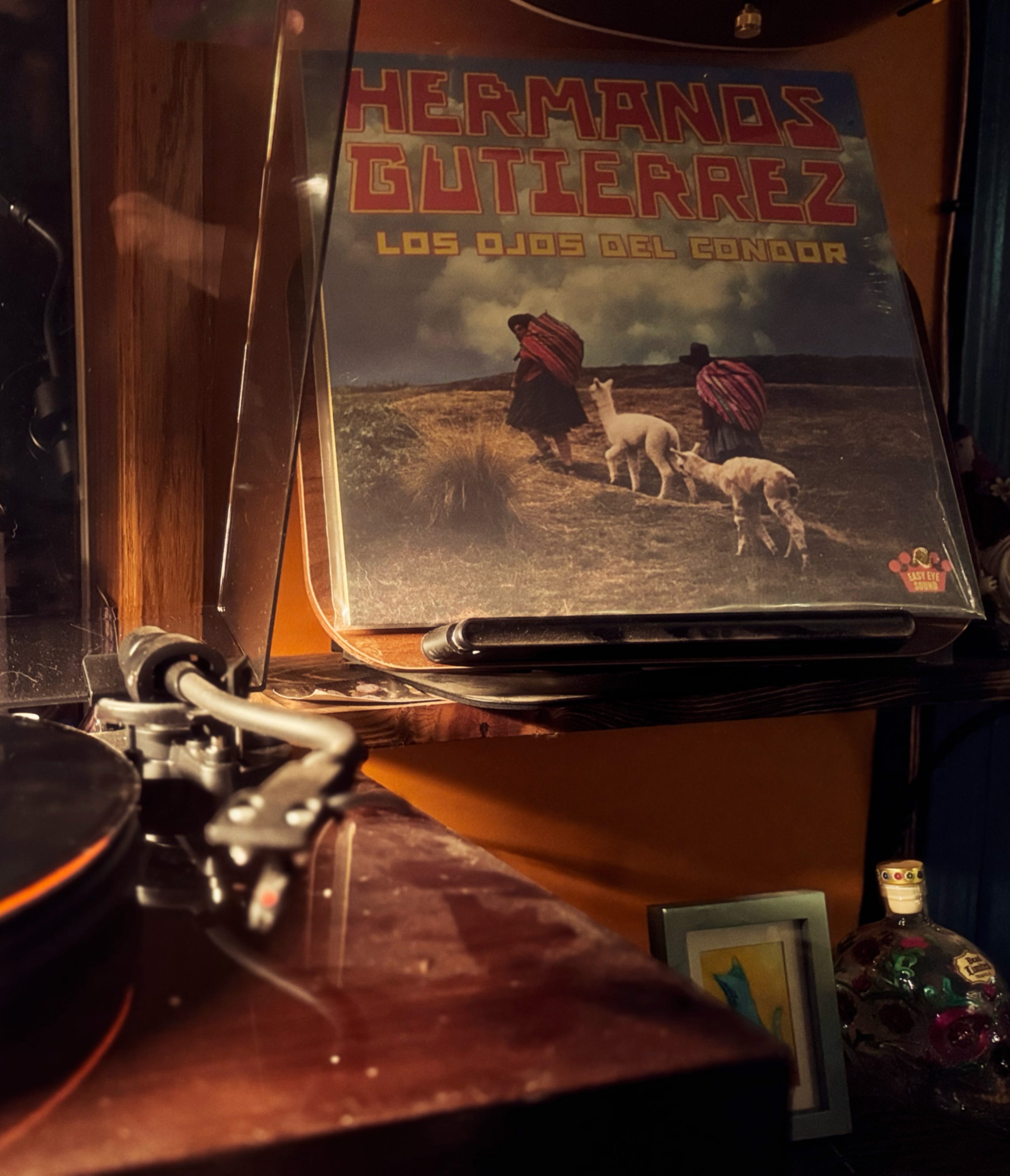
Music never went away, it just wasn’t allowed the time it demanded, and I wanted to give it; that had been eating at my brain as I stretched out on the bed. I flipped open my laptop in silent resignation at the state of affairs between me and the music I claimed to love so much. I doomscrolled for a few minutes, the weight of my advanced critical incident stress management peer support class weighing heavy on me. I’ve written before about my love of the Seattle radio station KEXP and it was here my doomscrolling stopped for just a second and my ears caught something. For the next few minutes I felt like I was in some Looney Tunes cartoon, my ears reaching inside my brain in a choke hold telling it to shut the fuck up for a minute, my eyes comically widening as the sounds of Hermanos Gutiérrez filled the hotel room. The cartoon devil and angel popped up on my shoulder.
“Give it a chance,” the angel said.
“Keep moving, new music sucks,” the devil replied.
I didn’t have to do anything. With the weep of a steel guitar the devil went away and I instantly fell in love. I stayed with that performance through the whole thing and then watched and listened again, and again. I must have gone back to that performance four or five times, moved through every moment of it.
I stood there staring out the window onto the southern California scene below me, a mix of anger and awakening rising.
“You fucking crab-ass,” I thought to myself. “You cranky-ass, get-off-my-lawn old man, you quit … the music didn’t.”
The lights of cars rapidly moving in opposite directions on the freeway outside caught me for a second, hypnotic in their movement.
“There’s still good music out there and this claim that there’s nothing good being made … you just decided to not listen to it anymore,” the thought continued.
Sure, I could make excuses for myself, that life got busy, that I was overwhelmed with it all. But, as is often the case, the truth was much simpler – I had quit. There was never a moment where I said to myself — that’s it, I’m done — never a conscious decision. I had, as most of us do, simply let life happen. I had allowed the fires of musical passion to grow dim due to inattention and neglect. The same trap my father found himself in so many years ago.
The next thought knocked me on my ass.
Dad hadn’t really quit… Dad was trying to connect. Like so many boomer parents, especially fathers, Dad was deeply reserved in showing his emotions. If I reflect on the times I remember my father telling me he loved me, I have to go back into my early adulthood — and I said it first — always his, a compulsory acknowledgement. The first time I ever heard my father tell me he was proud of me was when I graduated from Marine Corps bootcamp. Dad was career military in a time when the Army made zero nods to families – if the Army had wanted you to have a family they would have issued you one. So he was gone; field assignments that took him away for weeks at a time, long hours that saw Mom tucking us into bed asking when Daddy would be home. By the time my father retired, I can only imagine he looked back at his children — especially Patrick and I, separated by 11 months — and realized he barely knew these tiny humans occupying his house. What he did know was music, and he knew we loved music, and he did the only thing he probably knew how to do: try and bridge some connections through it.
Unless given reasons otherwise, children adore their parents. I have wispy images from a time in Germany — I couldn’t have been more than three or four years old. Dad was coming home from a long field operation that day and we would be able to see his convoy across the bridge above our Army housing unit. I was fit to be tied; I wanted to see my Dad so bad I drove my Mom crazy asking — is this the moment? How about now? Is it time? — and exploding with joy when we finally saw him pass and wave at us, knowing he’d be home in a few short hours. Dad was always his coolest when he was just being himself, standing in the kitchen cooking something, a day’s worth of records already selected from his collection.
My Dad taught me how to make a mixtape not because he sat down and showed me, but because I would sit behind him and watch … play + record … run out the slack, hit pause, drop the needle, un-pause and then hear the results. Dad did everything on headphones, so the actual tracklist was a mystery — revealed only as we drove the family car to town, as much to listen to the new mixtape as to get groceries. Just by being himself, unseen by him, he was building a bridge that Patrick and I took to and made our own. Dad didn’t need Appetite for Destruction to connect with us — he’d been building that connection all our lives. He just never saw it. And where he forged a path, we took it further.
For what it’s worth, the science has an opinion on all of this.
Here’s the thing about the trap — and it’s a trap most of us walk into, quietly, without realizing. The same cliff I fell off, the same one that caught my father. By my mid-thirties I’d stopped reaching. Not because the music got worse — it didn’t. Not because I’d lost the love — I hadn’t. I’d just stopped showing up for it, the way you stop showing up for things when life fills in around them and you don’t notice until the space has been gone for years. The world doesn’t help: the apps are built to keep you comfortable, feeding you more of what you already know, walls going up so gradually you never feel them closing. Breaking out takes something deliberate — a willingness to let yourself be surprised, to reconcile the person you were when music first hit you with the person you actually are now. Most of us never do it. Most of us stay comfortable. Most of us, I think, aren’t even sure we’ve stopped.
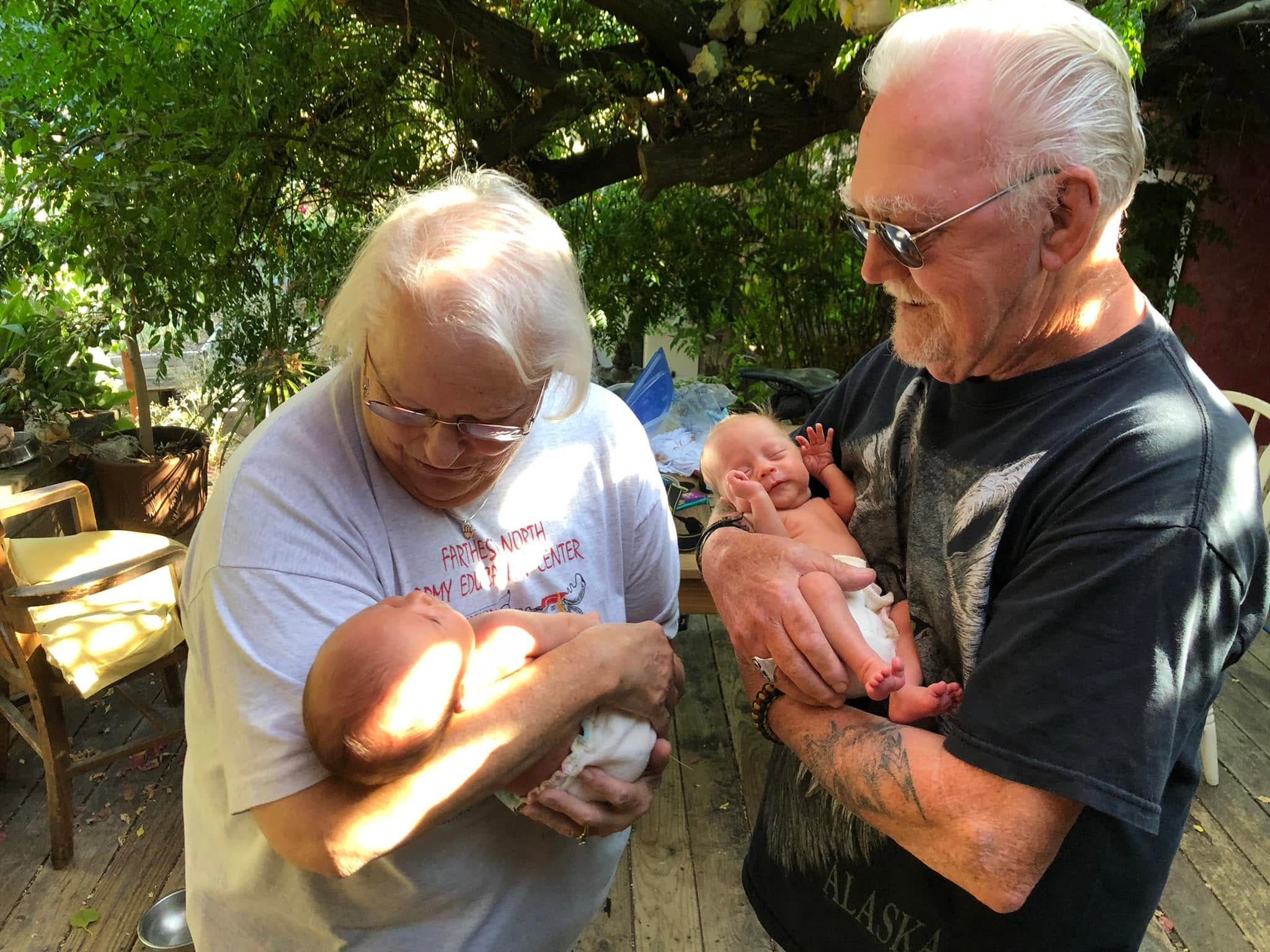
Dad still stands in the kitchen these days. At nearly 80 years old his confident strides look more like a slow shuffle. There are a few things here and there that aren’t the same — his amazing flank steak, the meal I devoured as a child, is slightly overcooked these days and a bit on the salty side. But the radio is still on, even if it’s a bit louder than before. Dad loves his satellite radio and he moves between one of three stations: the 50s, the 60s, and Willie’s Roadhouse — those years in Texas in the 70s left their mark. Dad cut trail. He gave Patrick and I a path forward with music, and he’s allowed to slow down these days, even if the volume drives my mother nuts.
Tristan is sitting on the couch of our Sonora home. He’s absorbed in his game of Minecraft, mindlessly humming a tune I don’t exactly recognize. I tilt my head just a bit to listen to the words he’s muttering and it hits me — he’s singing Nine Inch Nails. Sanctified, to be exact. I am sanctified … I am purified …
And I see the path.