

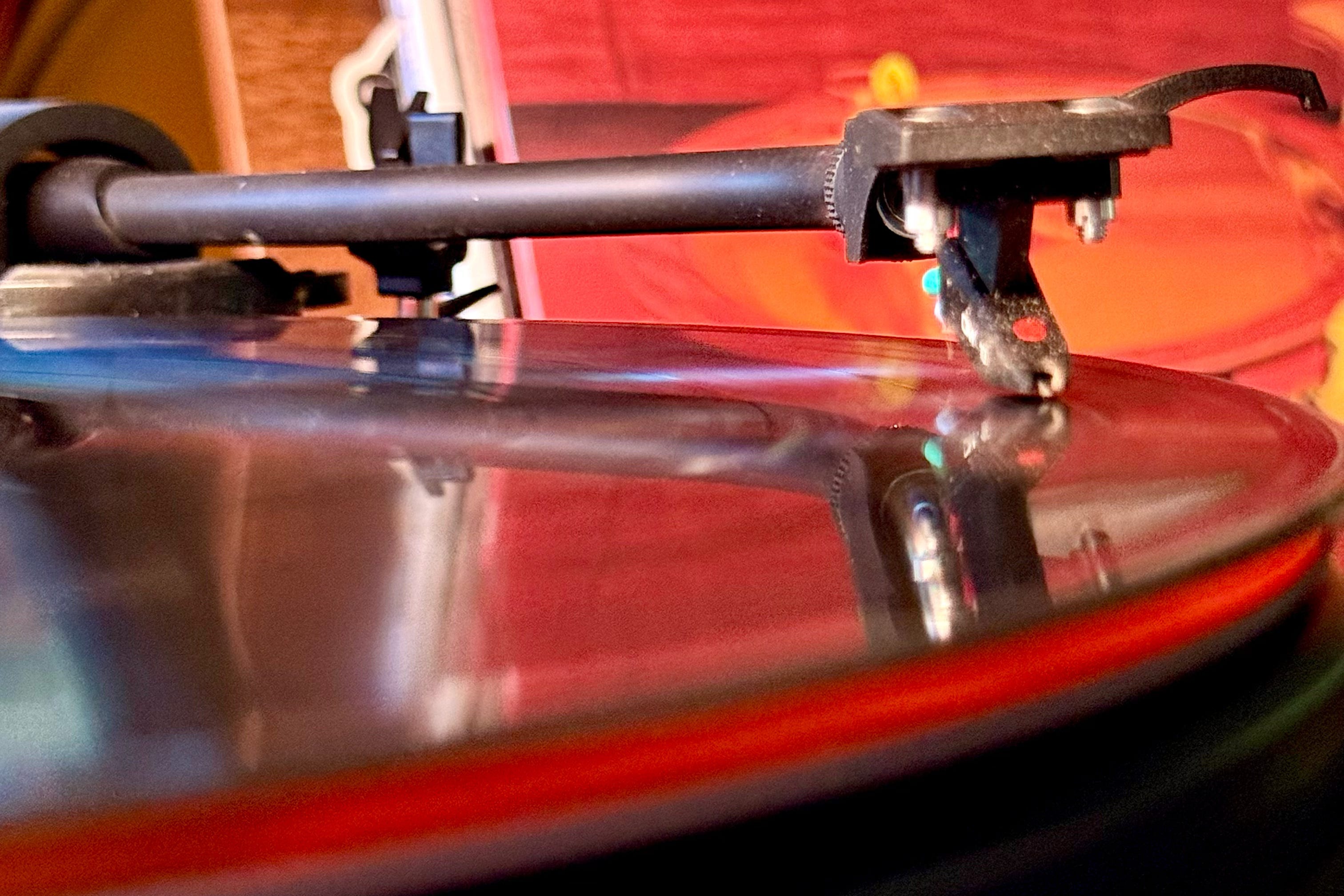
There is a difference between a gatekeeper and a guide, and we have spent the better part of the algorithmic age confusing the two.
A gatekeeper hoards. A gatekeeper decides who gets in and who doesn’t, who deserves access and who should wait outside. Gatekeeping in music is real and it is corrosive — the velvet rope mentality that turns taste into a weapon and enthusiasm into a qualifier. Nobody should have to pass a test to love a record. Nobody should feel stupid for not knowing who produced it or what label pressed the first run. Music belongs to whoever needs it.
But a curator is something else entirely. A curator has done the work — the obsessive, unglamorous, deeply personal work of spending time with music that most people will never sit still long enough to hear. They’ve read the books, seen the biopics, followed the threads back to their sources. They know things not because they want to hold those things over you, but because they couldn’t help themselves. They fell in. And having fallen in, they reach back a hand.
We need curators. We need them more than ever, actually, in an age when algorithms have become the default recommendation engine for most people’s musical lives. Spotify knows what you’ve listened to. It does not know what you need to hear. It cannot feel the difference between a song that confirms your existing taste and a song that cracks something open in you. It has no heartbeat. And music — real music, music that matters — should always have a heartbeat. So should the recommendations behind it.
One of the threads that runs through nearly everything published here at Playin’ in a Traveling Band is the idea of transmission. Whether it’s a mixtape passed hand to hand, a dubbed cassette, a burned CD riding shotgun on a long road trip with your best friend, or a playlist published for the world to see — music exists to be shared. It has always relied on a grassroots exchange, that ancient and essential hey, you need to hear this, it’ll change your world moment passing from the hardcore devotee to the second-tier fan to the casual listener and back again.
This is the unseen infrastructure of music. For an artist to travel from garage band heroes to selling out stadiums, for the world to fall in love with the people on that stage, a dedicated corps of music lovers must exist in the undergirding, unwittingly ensuring the continued flow of discovery. They are not famous for this. They are rarely thanked for it. But without them the whole thing collapses.
I consider myself one of those people.
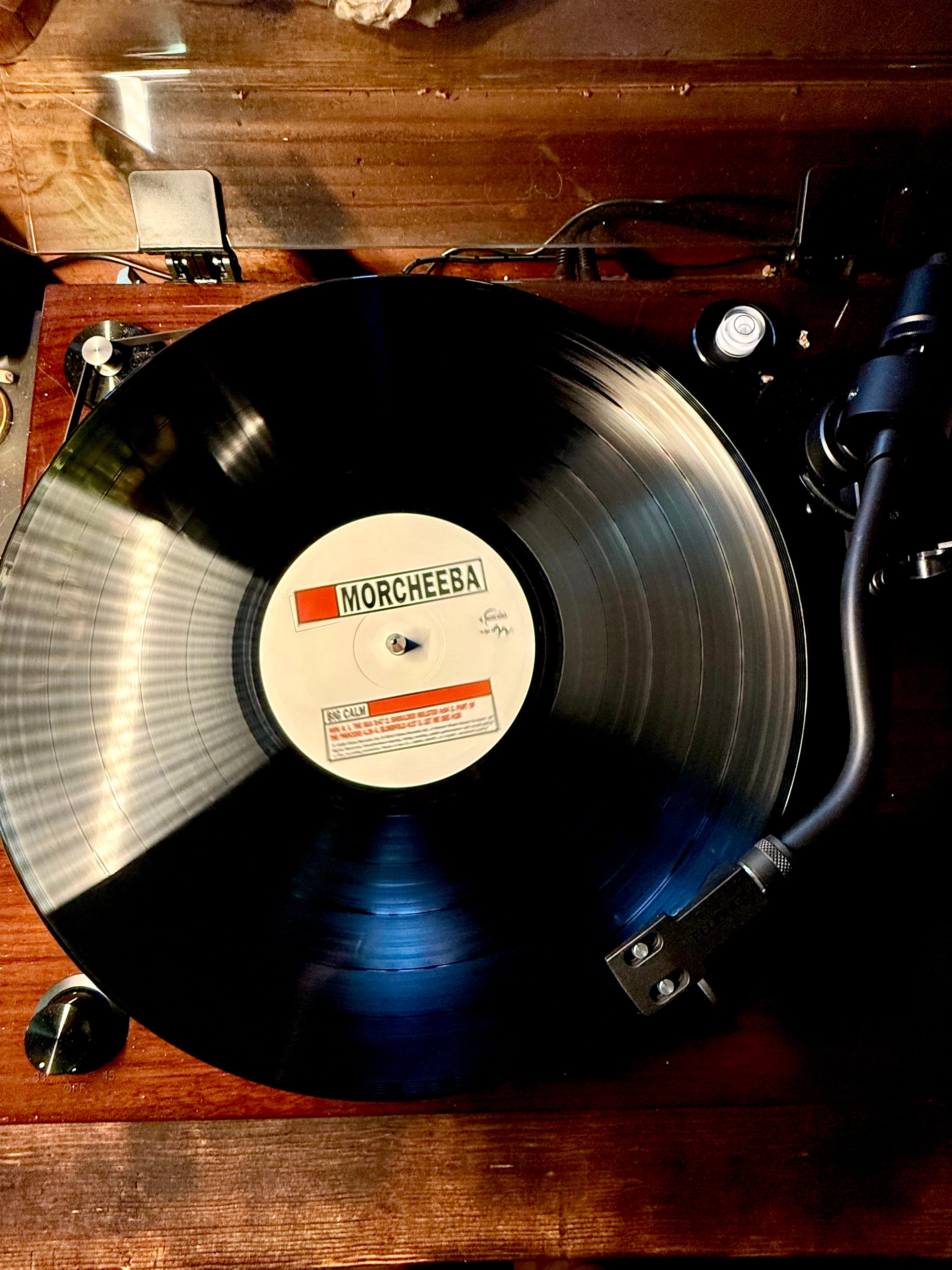
To be a music geek means more than a casual listen. It means reading the biographical books and going to the biopic and obsessively knowing the details that most people will never care about. I knew what halos were before most people knew who Nine Inch Nails was. That is not a brag. That is the passion and the vocation of a fan far left of the casual.
Vocation comes with obligations. The obligation, in this case, is to keep doing the homework. To keep listening with intention. To resist the comfortable groove of returning to the same records you already love and to remain open to being surprised, challenged, even uncomfortable.
So I have decided to embark on a journey.
The fine folks at the 1001 Albums Project have built something quietly remarkable. The premise traces back to 1001 Albums You Must Hear Before You Die, edited and curated by Robert Dimery, a freelance writer and editor who has contributed to numerous music publications. You sign up at their website. They serve you a random album from the list. You listen — maybe once, maybe two or three times. Four listens is my personal rule before I render a verdict. Then you write a short review and rate it, and only then does the next album unlock. You cannot skip. You cannot cherry-pick. You surrender the choice to the node and you stay until you have something true to say.
That last part matters more than it sounds. The generator is not just a randomizer. It is an accountability mechanism. It is saying: prove you were here.
I will be working through this list and sharing short reviews — a few hundred words, a star rating, an honest account of what happened when I actually listened. Some of these records I will love. Some will challenge me. Some may not land at all, and I will say so. What I will not do is phone it in.
I would love to hear your thoughts as we go — on the albums, on the project, on whatever the music dredges up for you.
Keep Listening,
Mr. B
I am looking forward to this.