

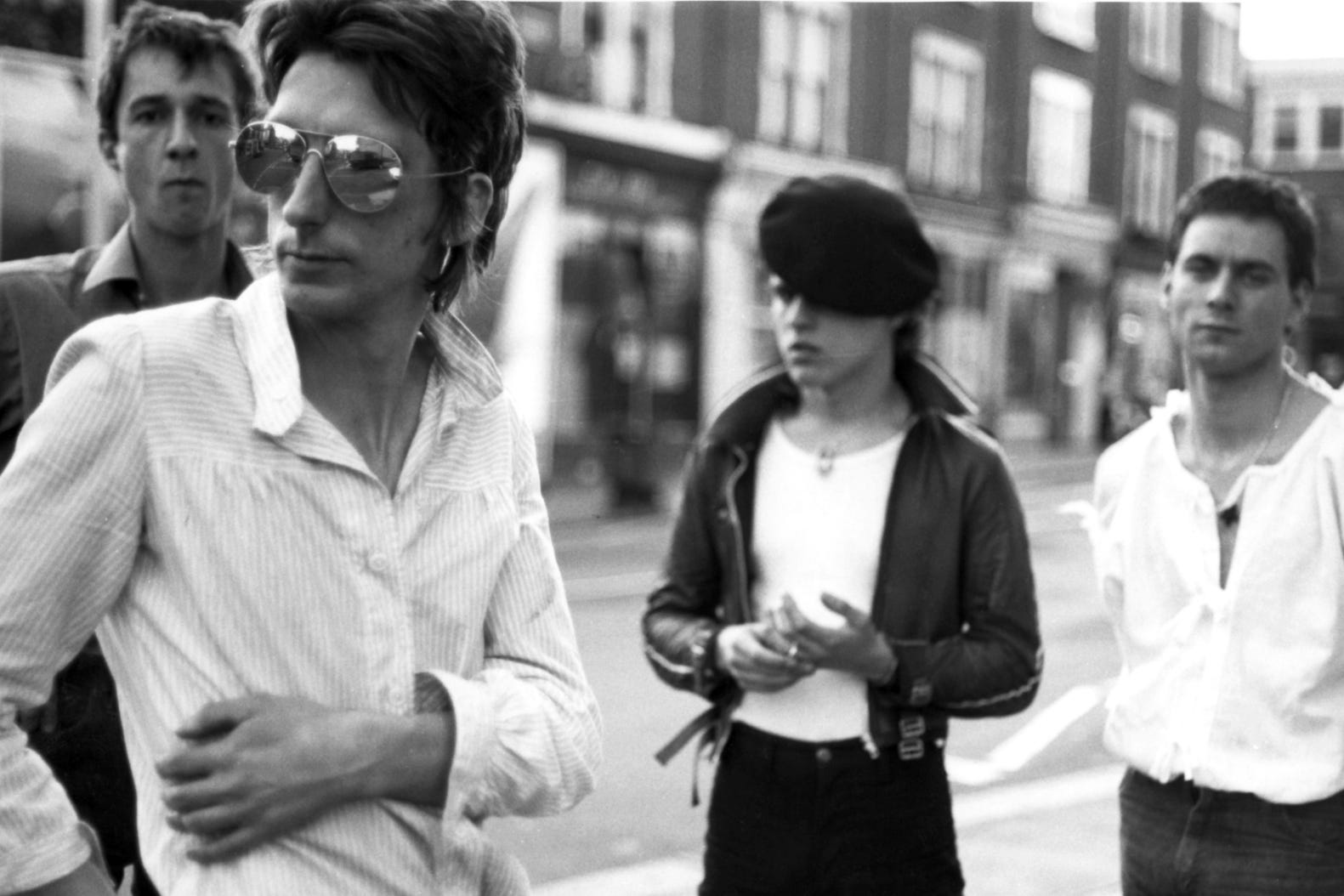
How does one of the most influential albums of the early post-punk era remain one of the most current records coming into 2026, just one year shy of its 50th anniversary? Clocking in at a mere 35 minutes, the 21 tracks that make up this album mark it as one of the most brutally efficient punk albums ever made.
BUT.
Drop the needle on Wire’s 1977 debut release Pink Flag and you’d be forgiven for thinking it’s something TikTok-ready in the vein of Fontaines D.C. or IDLES.
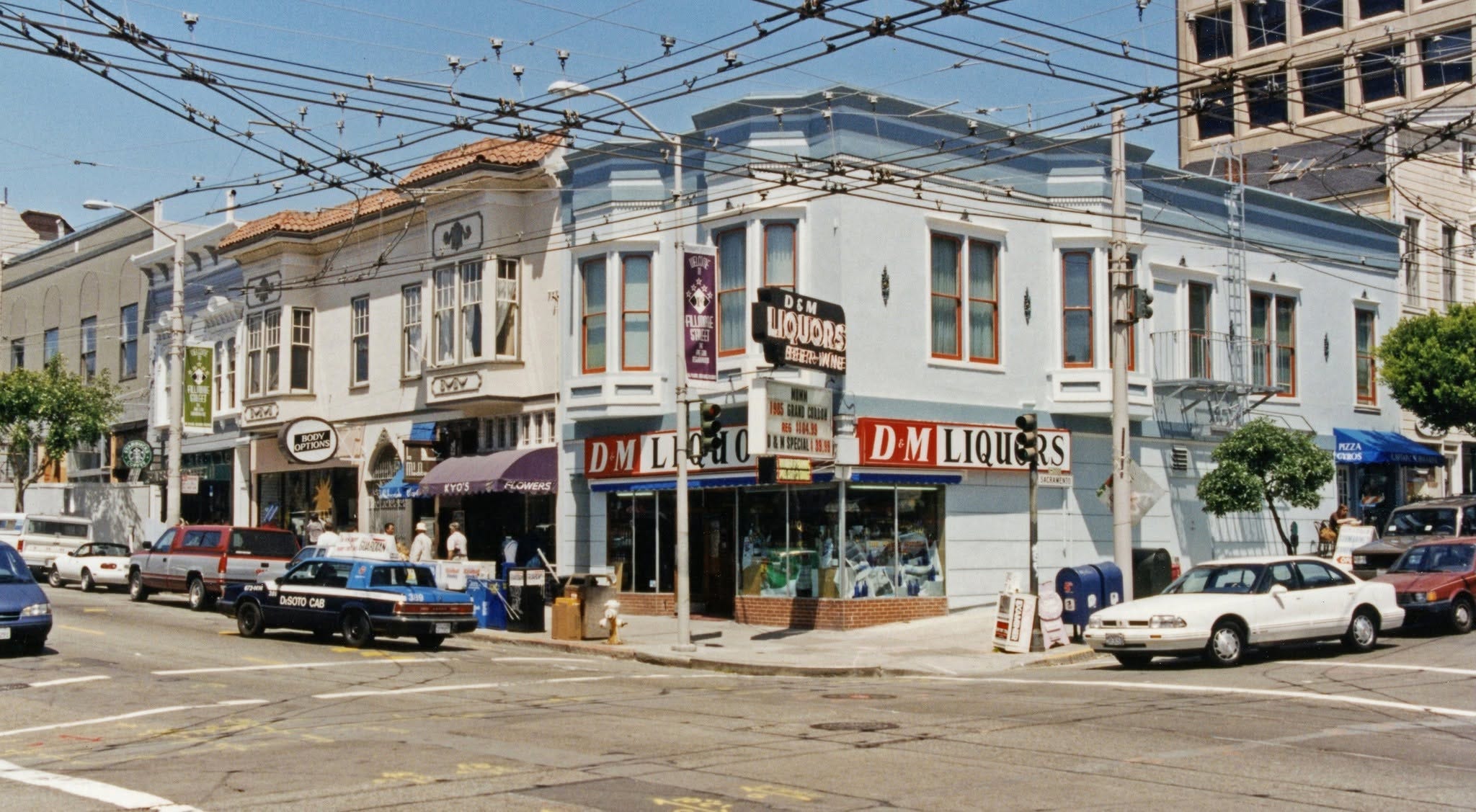
Many moons ago I was talking to my friend Alex about literature. This was extremely convenient as we were hanging out at a bookstore in San Francisco. Borderlands Books to be exact — before they moved into the Mission District, they called 534 Laguna Street home in the heart of the Hayes Valley neighborhood. Alex was one of those stupid smart people who said insightful, witty things without even realizing she was doing so.
“No one’s ever read Finnegans Wake,” she says to me.
I’m not much of a Joyce fan but I am both struck by this statement and doing my best to spend some time in Alex’s bedroom, so I find her eyes and ask her to tell me more.
“I take that back,” she says as she leans in, her low-cut shirt falling X-rated low but her eyes locked on mine daring me to break the gaze. “Something like ten people in the whole world have actually made it through Finnegans Wake. It is so insufferable, so difficult that everyone the world over just decided to take those masochists’ word for it and parrot it. So, ten people in the whole world have actually read the damn thing while everyone claims to have while parroting what they said.”
Have you ever listened to Wire? Oh, you have? Tell me more.
Everyone has listened to Wire and yet near no one has heard them. Ok, hold on, let me back that statement up because it’s not entirely accurate. Michael Stipe and Co. have heard them — just go listen to early REM. Elastica has heard them — Three Girl Rhumba was lifted directly for Connection (settled out of court, by the way). Most of the major players in the east coast punk scene — Minor Threat, Mission of Burma, Sonic Youth — have heard them and on and on and on. It would be quaint to say they were a band’s band. No — these motherfuckers rocked as hard as anything Detroit had hitting the street around the same time and beat the pants off anything coming from the eastern shores of the Atlantic.
And yet.
“We’re the most famous band you’ve never heard of,” Wire’s lead singer Colin Newman once said. “Our fans assume that Wire is massive — like, we’ve all got mansions. And then there are lots of people who know groups who are more successful than Wire who’ve been influenced by Wire — yet they’ve never heard of Wire. It’s a very strange kind of fame.”
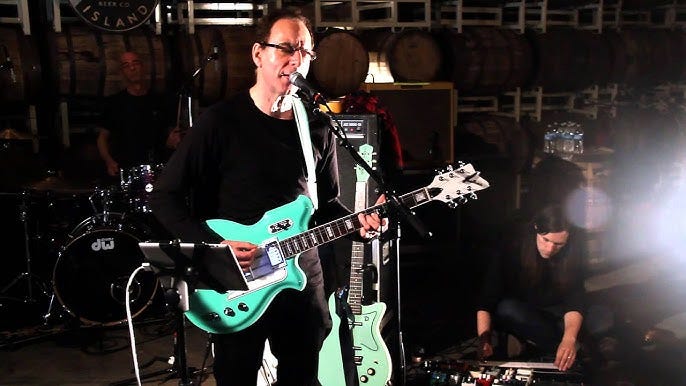
Perhaps it is exactly that strange sort of fame that has allowed Wire to continue all these years, notching 17 studio albums on their belt. Fame is a fickle mistress. We’re all too familiar with the story of the small-time band that found success only to succumb to its demands — 27 Club, anyone? No one in Wire committed suicide so perhaps it’s more appropriate to view them alongside their London peers, the Sex Pistols, who self-destructed just three years after forming — cultural icons to be sure — but only one studio album to their name. The Pistols sought the spotlight and it consumed them. Wire avoided it and survived.
Walking up Fell Street toward my Scott Street apartment, my thoughts drifted from literature to music, specifically to Wire. My journey to the seminal band started with that Elastica lawsuit. Absolutely loving the song at the time and having no idea who that other band was, I dug in and found them. The more you listened, the more you found and I started hearing their influence in everything. Cutting across Alamo Square, I sat down on a bench, lit a cigarette and soaked in The City. I couldn’t have known then what I’d already figured out about the band. There was a shift in the vibe, a feeling in the air — far fewer Burning Man cars on the side streets, more Audis … something was changing. Over the years San Francisco has been its own headwaters to various cultures that ebbed and flowed with the current — what happens when someone dams the river?
No one knows when you’ll give your lover their last kiss, when you’ll hold them in your arms for one final embrace. The moment never announces itself — it just grinds on like an apathetic god who’s tired of your shit and just wants to get on with things. When I moved to San Francisco in the late ‘90s it was still alive. Bands like Storm Large were playing in local venues across the bay and Jill Tracy was holding her cabaret performance at Café du Nord where my dear friends got married. Silicon Valley money came in, rents skyrocketed, artists moved out — sorry, Portland. Everything became polos and khakis. Niche bookstores got evicted. Internet startups moved in. Where once funk and groove filled restaurants the new sound had a decidedly more adult contemporary, more Dave Matthews sound. I get back to the city often and I don’t recognize it — most of my touch points from that era are gone. At one point, I thought the old Borderlands Books building was gone. Alex tells me it’s still standing. I drive back to The City — sure enough, there it is, new paint, new façade, everything around it different due to the new Highway 101 on-ramp.
I call the Sierra Nevada foothill community of Sonora, California home. Working for the Forest Service, my job gets me outside a lot. On occasion I’ll find myself at Leavitt Peak at the headwaters of the Stanislaus River. Wire is the source, a place so few visit but so many drink of its waters.
You come here because it represents something more than the parts. Because you are the type of listener who wants to understand. Who isn’t content to gloss over the footnotes in a biography or an obtuse reference in a liner note. You want to dig, you want to go exploring a Sierra Nevada mountain. I’m not going to tell you what they sound like. That’s for you to decide. I’m not going to tell you that you should embrace them. That’s for you to decide. I’m not going to tell you they should be in your collection. That’s for you to decide.
You don’t come to the headwaters because you’re thirsty. The headwaters are pilgrimage — they’re Mecca. I don’t want to tell you that you should listen to Wire. I simply want to hand you a prayer rug, point in the general direction and hope you find it within yourself to make the journey.
For this is Wire — too abrasive for pop, too minimal for punk, too English for American rock. Too influential to be obscure, too obscure to be canonical. The band that built the house that everyone else lives in without ever quite living in it themselves. Still making records in 2026. Still not fitting anywhere. Still sounding more current than bands a third their age.
So how does a nearly 50-year-old album remain so relevant? Because the headwaters always are. Whether you choose to acknowledge them or not, they don’t care. They just are. They’re there should you decide to make the trip but their glory doesn’t fade, their majesty isn’t diminished with the passing years. They will continue to sustain future generations who make the sojourn. Running just beneath the surface, they will sustain everything.
Alex rolled out of bed, her naked body silhouetted by the streetlights, and opened the window letting the cool bay wind into the room. Lighting a cigarette, I pass her one and light one for myself, reaching over to the bedside table for the whiskey and soda that started this evening. Pink Flag was what we’d been listening to that night as we talked about books, politics and the state of “The City” — a topic near and dear to both of us as the century worked its way to a flip.
“I really think the San Francisco I know is more like Wire,” she says, a long plume of smoke exhaling from her as she slides back into bed next to me.
“Tell me more about that,” I say with a strong idea of where she’s going but wanting desperately for this night to never end.
“Well, everyone has this idea of San Francisco. They’re wrong. This city is grit — it’s the weirdos and the crazies and the lovelies all trying to find their way in the most glorious way possible but no one’s paying attention to the work, only the end product.”
She pauses, takes a drag from the American Spirit pursed between her lips and pushes the smoke into the room and continues.
“Some Silicon Valley twat is gonna come along and take that end product and turn it into the next big thing and not … even for a moment … acknowledge the gutter punk and flat squatter who brought it forward.”
I pull her close, her skin is warm against mine. We wrap our legs around each other and I tuck her hair behind her ear.
“Too much fucking Dave Matthews and not enough Wire,” she says, our lips connect and the night slips away.